Schedule A Program
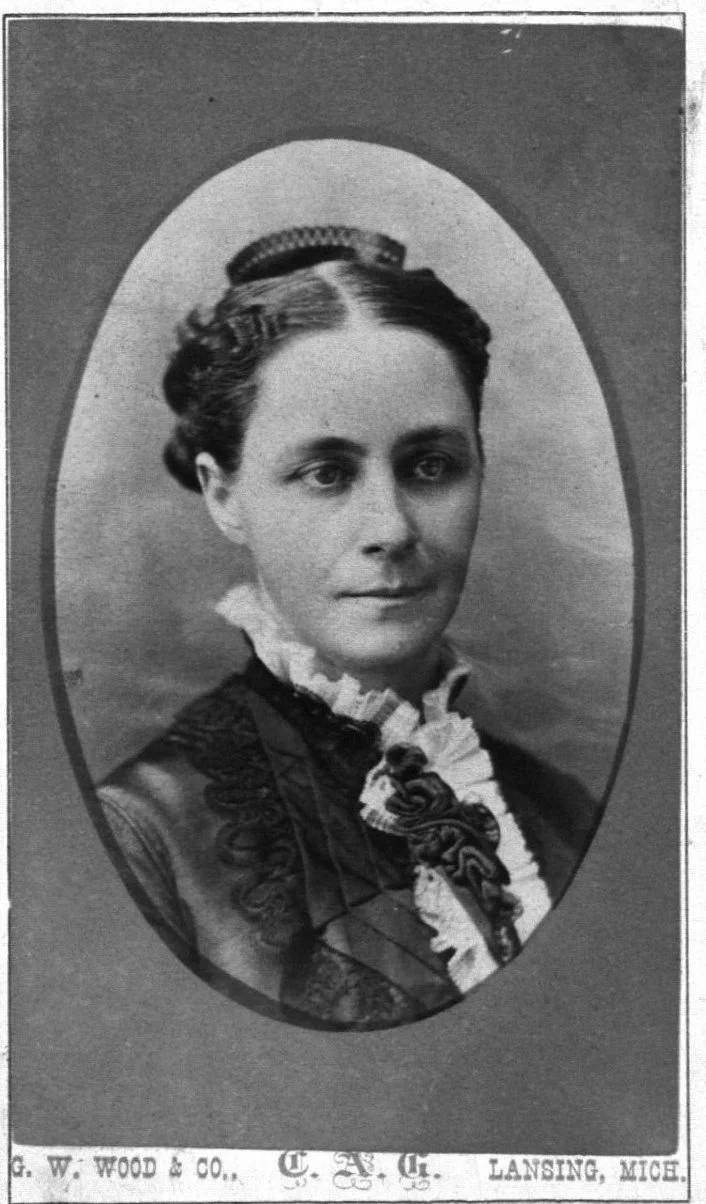
In the Charge of a Woman: Harriet Tenney, Michigan’s First Female State Librarian
In 1869, at a moment when women were largely barred from public life and professional opportunities, Harriet Tenney stepped into Michigan’s State Capitol and made history. As the first woman to hold a full-time position in the State of Michigan’s government, she spent the next twenty-two years reshaping not only Michigan’s libraries, but the nation’s understanding of what women could achieve in public service.
Appointed and reappointed by seven governors from both political parties, Tenney built one of the country’s most respected state libraries. She dramatically expanded its collections, established professional standards that became models for libraries across the country, and mentored a generation of women librarians who followed in her path. She also founded Michigan’s first state museum, ensuring that historical artifacts, portraits, and documents would be preserved for future generations; today, tens of thousands of people each year visit and study the objects she collected and curated.
Tenney’s impact radiated far beyond the Capitol. Under her leadership, the state librarianship itself became recognized as a “woman’s position”—a remarkable shift in an era when women's work remained largely invisible. In Lansing, she founded the Woman’s Club as well as the Lansing Library and Literary Association, which evolved into the Capital Area District Library system.
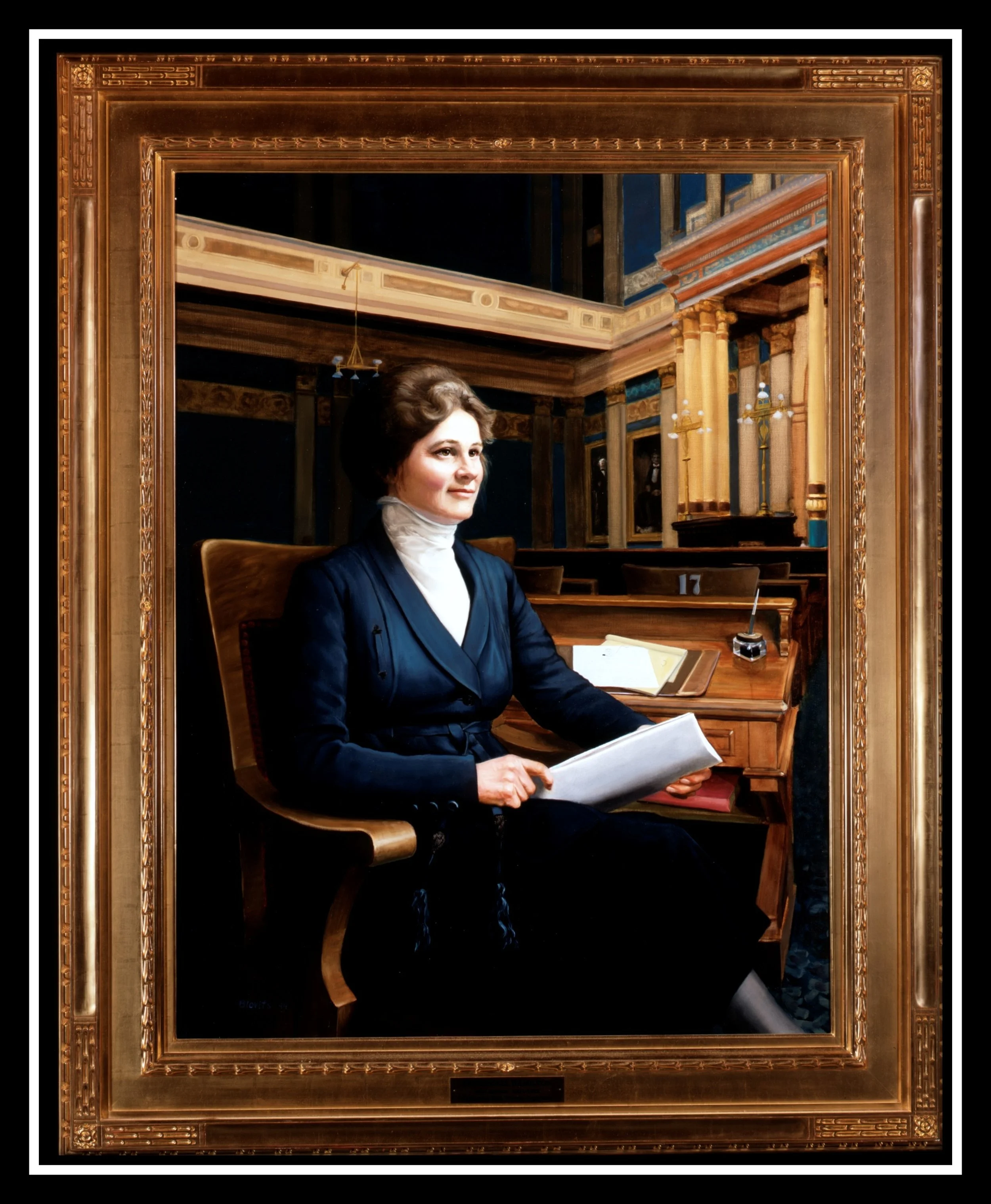
Michigan’s Lady Senator: Eva McCall Hamilton
In November 1920, Eva McCall Hamilton made national news when Grand Rapids voters elected her to the Michigan Senate. Ever since, she’s been celebrated as a trailblazer–Michigan’s first female legislator. But Hamtilon had actually been going to the Capitol, and working in political circles on issues including mother’s pensions and woman’s suffrage for years before her election. Learn more about the issues and passions that drove her–including public health and the creation of teacher pensions–and the many challenges she faced, as Michigan’s “Lady Senator.”

Born of Hope and Indignation: The Michigan Female College
Today Michigan women attend and graduate from public colleges and universities at higher rates than their male peers. But such was not always the case. Despite being considered one of the most progressive, pro-public education states in the country, Michigan systematically denied women access to the state’s top public schools until 1870.
In 1855, sisters Abigail Delia Rogers decided to take the fight for coeducation to Lansing, where they founded the Michigan Female College in the second Michigan State Capitol. The school lasted fourteen years, during which time the Rogers joined James and Lucinda Stone of Kalamazoo, and many others in lobbying state officials to fund higher education for women and open the University of Michigan and the Michigan Agricultural College (now Michigan State University) to female students. Ultimately the Rogers successfully worked themselves out of a job when, in 1870, the University and College finally acquiesced and enrolled their first female students.
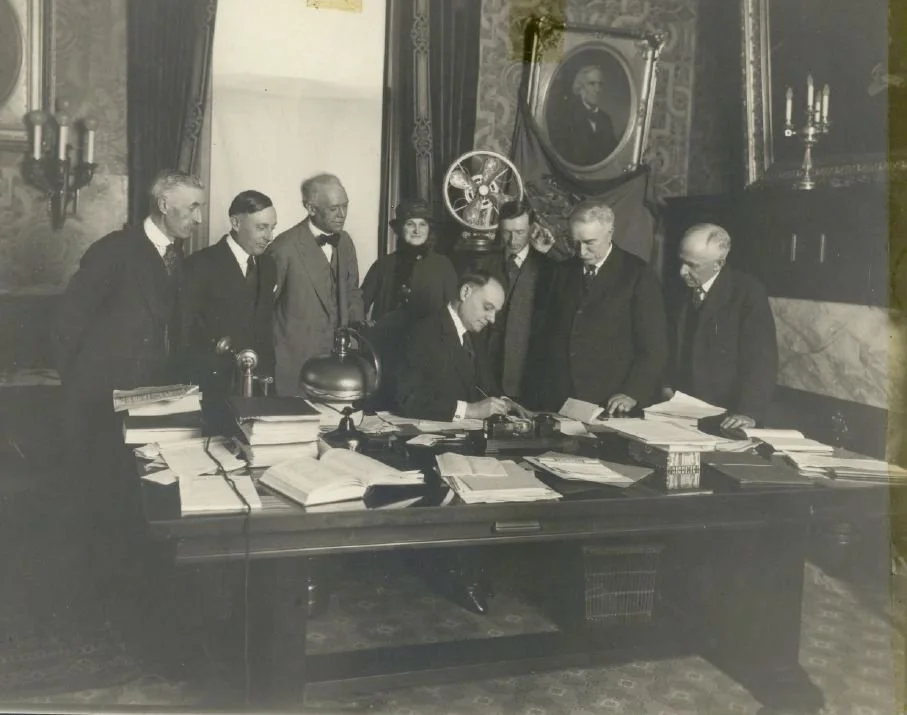
Capitol Women: Pioneering Women at Work Under the Dome
Tradition states that Capitols has long been male dominated spaces where women played decidedly secondary roles. Yet in 1879, when the present Capitol opened, Harriet Tenney, Michigan’s first female state librarian, held control over almost an entire wing of the building. The first professional woman to hold a top tier gubernatorial appointment in the peninsular state, Tenney was aware of her significance. In her first report to the governor she wrote that “By the advice of the Chief Executive of the State and with the unanimous consent and approbation of the Senate, on the 31st day of March, 1869, this Library was placed in charge of a WOMAN.”
Learn about trailblazing women and the rules—written and unspoken—that both limited and inspired their successes in Michigan government from the 1860s to the 1930s. Prominent women featured in this presentation include State Librarians Harriet Tenney and Mary Spencer, Senators Eva McCall Hamilton (R–Grand Rapids) and Cora Brown (D–Detroit), clerk-turned-author Belle Maniates, Museum Curator Marie Ferry, and Representatives Cora Reynolds Anderson (R–L’Anse), Elizabeth Belen (D–Lansing) Dora Stockman (R–Lansing), and Charline White (D–Detroit).

A Woman’s Place is Under the Dome: Woman Suffrage at Michigan’s State Capitols
The fight for women’s suffrage began in Michigan in 1846 when women’s rights advocate Ernestine Rose gave two speeches in Representatives Hall in Michigan’s first Capitol building. Suddenly, Michigan lawmakers and citizens were talking about the fact that some women wanted the right to vote and have a voice in government. The struggle continued for many years in our second and third Capitols, where citizens gathered to discuss and lobby for married women’s property rights, improved healthcare and sanitation, equal access to higher education, and the right to run for and hold government offices. Finally, in 1918–two years before the 19th Amendment to the U.S. Constitution passed and was ratified–Michigan men extended full suffrage to women, igniting a new era in democratic government.

Diversity Under the Dome: Stories of the Very Different People Brought Together By Our Capitol
Capitol buildings are, by their very nature, places where different people come together. Some come to work in the building as legislators, governors, secretaries, clerks, librarians, and pages. Others, including early reformers, came for a day or two to speak about pressing problems and to call for change. A few spent their entire careers in our Capitol, where their very presence spoke volumes. Many came after being elected to public office. Yet others came from across the globe and around the country to build and beautify our Capitol in the late 1800s. They were – and are – all different. Yet all held two important things in common: a belief that they had important contributions to make, and service to give. And they all did it under the dome, in Michigan’s three Capitols.
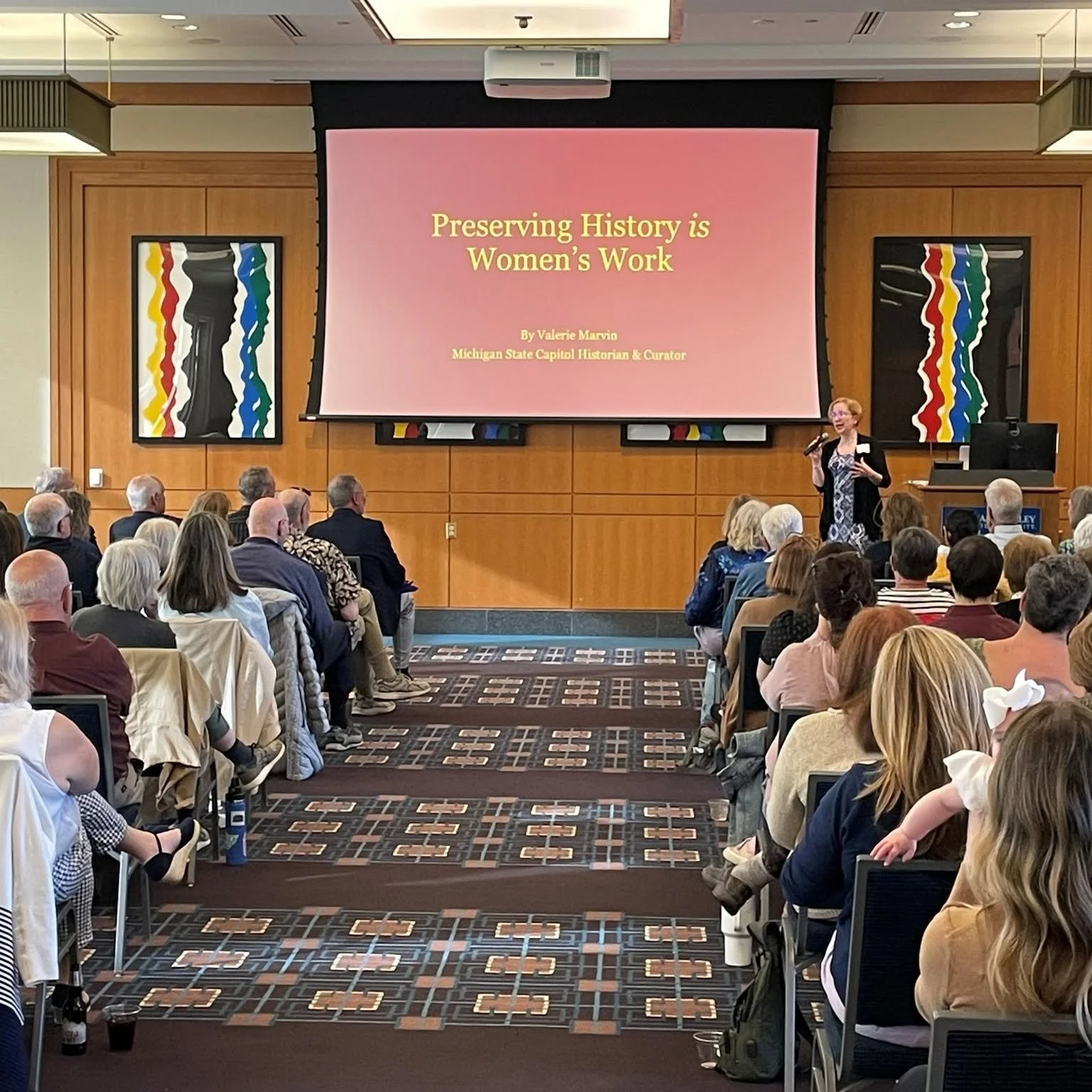
Preserving History Is Women’s Work
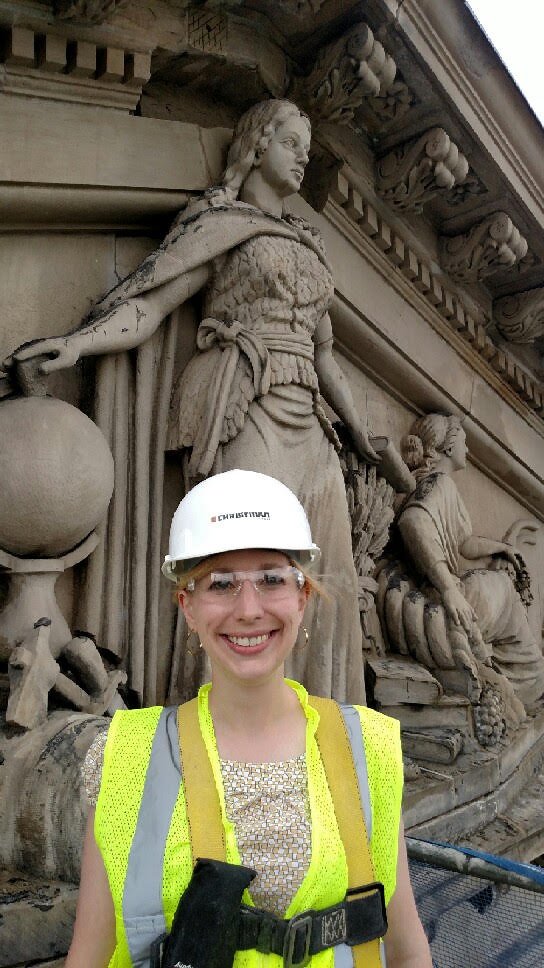
From the American Revolution onward, American women like Mercy Otis Warren, Sarah Josepha Hale, and Ann Pamela Cunningham have been preserving our collective history via books, monuments, and house museums. Michigan women began contributing to these efforts through membership in the Mount Vernon Ladies’ Association and in our Capitol, where State Librarian Harriet Tenney founded a state museum within her library. An inaugural board member of the Michigan Pioneer and Historical Society, Tenney dedicated years of her life to preserving Michigan history through documents, texts, artwork, and artifacts–many of which were later curated by Marie Ferrey in the Michigan Pioneer Museum (now the Michigan History Museum). Ferrey dedicated many years to sharing Michigan history with numerous organizations, including the Michigan Federation of Women’s Clubs and the Daughters of the American Revolution.
In the mid twentieth century, Michigan women began fighting to preserve historic homes, neighborhoods, theatres, churches, and public buildings in places like Adrian, Lansing, and Grand Rapids. Thanks to their work, beautiful nineteenth structures like the Michigan State Capitol and the Grand Rapids Heritage Hill neighborhood survive. Today a new generation of women preservationists—from architects and engineers to educators, curators, conservators, and historians—carries the work of their foremothers onward.
Doing History in the 1870s: The Michigan Pioneer and Historical Society
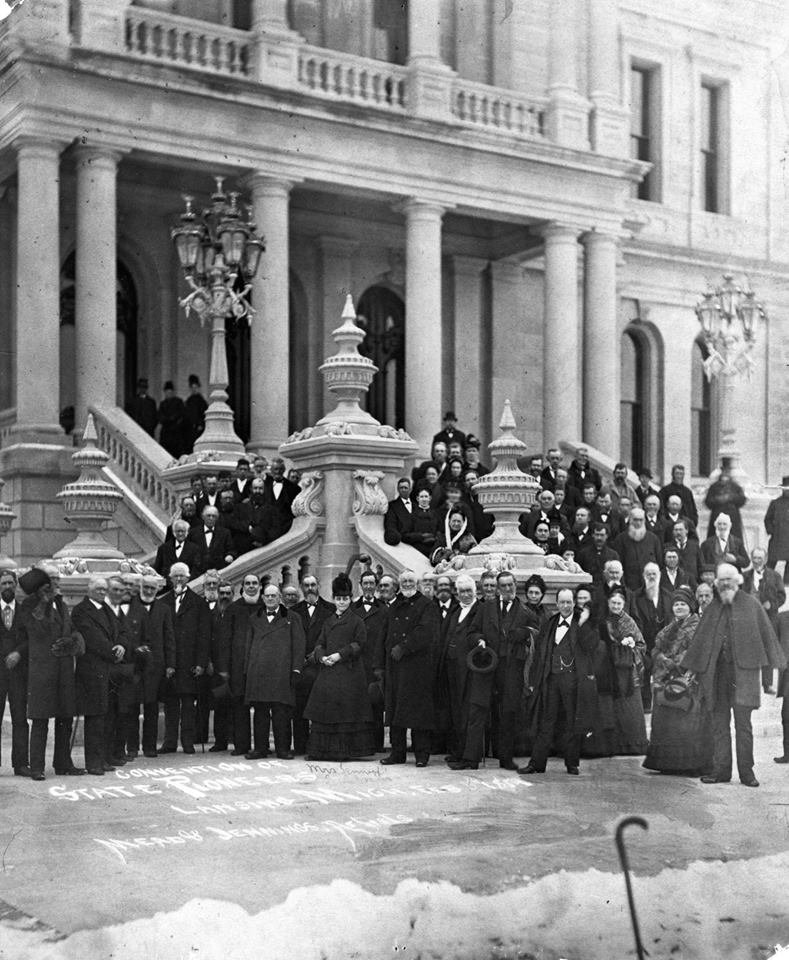
In 1874, a group of history enthusiasts met in Michigan’s wooden Capitol to found a new statewide historical organization, the Michigan Pioneer Society. Over the next several decades they developed the state’s first history museum and published the forty-volume Michigan Pioneer and Historical Collection anthology. Discover the work of the Pioneer Society and learn about their original mission, their commitment to preserving Michigan stories, and their enduring modern legacies, including the Michigan History Museum and the Historical Society of Michigan.
Upon request, this talk can be customized to highlight the Pioneers’ work in different parts of Michigan.